


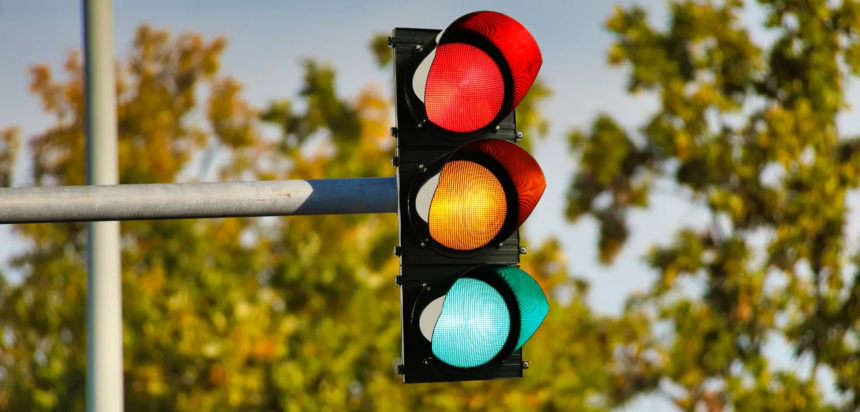
Traffic management plays a vital role in keeping roads safe and organized. One of the most important innovations in this field is the Aluminum LED traffic signal, which combines durable aluminum housing with energy-efficient LED technology. These signals are widely used at road intersections, highways, pedestrian crossings, parking facilities, airports, and industrial zones because they provide excellent visibility, long service life, and low maintenance costs.
Unlike traditional incandescent traffic lights, LED traffic signals consume far less electricity while delivering brighter and clearer illumination. The aluminum casing protects the internal components from harsh weather, corrosion, dust, and impacts, making these signals suitable for both urban and rural environments. As cities continue to adopt smart transportation systems, aluminum LED traffic signals are becoming the preferred choice for governments, contractors, and traffic management authorities.
What Is an Aluminum LED Traffic Signal?
An Aluminum LED traffic signal is a modern traffic light equipped with high-brightness Light Emitting Diodes (LEDs) enclosed within a sturdy aluminum housing. The aluminum body offers exceptional durability while efficiently dissipating heat, helping the LEDs maintain optimal performance.
These signals display the standard red, yellow, and green lights that guide motorists, cyclists, and pedestrians safely through intersections. Thanks to their advanced design, they remain visible in bright sunlight, heavy rain, fog, and nighttime conditions.
Main Components of an Aluminum LED Traffic Signal
Several important components work together to ensure reliable operation.
- Aluminum die-cast housing
- High-brightness LED modules
- Polycarbonate optical lens
- Reflectors for improved visibility
- Waterproof rubber sealing
- Mounting brackets
- Electrical wiring and connectors
- Driver circuit and power supply
- Weather-resistant coating
- Heat dissipation system
Each component contributes to the overall efficiency and longevity of the traffic signal.
Benefits of Aluminum LED Traffic Signals
Aluminum LED traffic signals provide numerous advantages over conventional traffic lights.
- Lower energy consumption
- Longer operational lifespan
- Reduced maintenance costs
- Superior weather resistance
- Excellent corrosion protection
- High brightness and visibility
- Fast illumination response
- Lightweight yet strong construction
- Eco-friendly lighting technology
- Reliable operation in harsh environments
These benefits make them a cost-effective solution for municipalities and private organizations.
Why Aluminum Is Used for Traffic Signal Housing
Aluminum is one of the most preferred materials for traffic signal construction due to its outstanding mechanical properties.
It is lightweight, making installation easier while reducing the load on poles and mounting structures. Aluminum naturally resists rust because it forms a protective oxide layer when exposed to air. This corrosion resistance makes it ideal for coastal regions and humid climates.
Additionally, aluminum effectively transfers heat away from LED modules, helping maintain lower operating temperatures and extending the lifespan of electronic components.
Advantages of LED Technology
LED technology has transformed the traffic control industry.
Compared to traditional incandescent bulbs, LEDs use up to 80 percent less electricity while producing brighter illumination. They generate minimal heat, start instantly, and maintain consistent brightness throughout their service life.
Another advantage is that individual LEDs continue functioning even if one diode fails, ensuring the traffic signal remains visible until maintenance is performed.
Common Applications
Aluminum LED traffic signals are installed in various transportation and industrial environments.
- Urban intersections
- Highway junctions
- Pedestrian crossings
- School zones
- Railway crossings
- Airport roadways
- Toll plazas
- Industrial facilities
- Parking garages
- Smart city infrastructure
Their flexibility allows them to meet the traffic management needs of different locations.
Energy Efficiency and Cost Savings
One of the biggest reasons organizations choose Aluminum LED traffic signals is their exceptional energy efficiency.
Traditional traffic lights require considerably more power and frequent bulb replacements. LED signals consume much less electricity, helping municipalities reduce energy bills significantly.
Lower maintenance requirements also decrease labor costs because technicians spend less time replacing failed bulbs and repairing damaged equipment.
Over the lifetime of the signal, these savings often outweigh the initial purchase cost.
Weather Resistance
Traffic signals remain outdoors throughout the year, making weather resistance essential.
The aluminum housing protects internal electronics from:
- Heavy rain
- Snow
- Strong sunlight
- High humidity
- Dust
- Wind
- Extreme temperatures
- Corrosive environments
High-quality waterproof sealing prevents moisture from entering the signal, ensuring reliable performance under challenging conditions.
High Visibility for Road Safety
Visibility directly affects road safety.
Modern Aluminum LED traffic signals feature advanced optical lenses and high-intensity LEDs that remain visible from long distances. Drivers can easily recognize signal colors during daytime, nighttime, and adverse weather.
The improved brightness helps reduce driver confusion while increasing reaction time, contributing to fewer traffic accidents.
Durability and Long Service Life
Durability is one of the defining features of Aluminum LED traffic signals.
Most premium models are designed to operate continuously for more than 50,000 to 100,000 hours. The strong aluminum housing resists impacts, vibrations, and environmental damage.
With proper installation and periodic inspections, these traffic signals can provide dependable performance for many years.
Smart Traffic Management Integration
Many modern Aluminum LED traffic signals support intelligent transportation systems.
They can integrate with:
- Traffic sensors
- Vehicle detection systems
- Pedestrian push buttons
- Traffic management software
- Emergency vehicle priority systems
- Adaptive traffic control networks
- Remote monitoring platforms
These technologies help improve traffic flow while reducing congestion and travel delays.
Environmental Benefits
LED traffic signals contribute to environmental sustainability.
Lower electricity consumption reduces greenhouse gas emissions from power generation. Their long lifespan minimizes electronic waste because fewer replacements are required.
Additionally, LED modules do not contain hazardous materials commonly found in older lighting technologies, making disposal safer for the environment.
Installation Considerations
Proper installation ensures reliable operation.
Important factors include:
- Pole strength
- Mounting height
- Viewing angle
- Electrical connections
- Waterproof sealing
- Compliance with local traffic regulations
- Wind resistance
- Power supply stability
Professional installation reduces future maintenance issues and maximizes safety.
Maintenance Tips
Although Aluminum LED traffic signals require minimal maintenance, routine inspections help maintain peak performance.
Recommended maintenance includes:
- Cleaning the lenses regularly
- Checking mounting hardware
- Inspecting wiring connections
- Testing LED brightness
- Examining waterproof seals
- Removing dust accumulation
- Replacing damaged components
- Verifying electrical performance
Preventive maintenance extends equipment lifespan and improves reliability.
Factors to Consider Before Buying
Selecting the right Aluminum LED traffic signal requires careful evaluation.
Consider the following:
- Housing quality
- LED brightness
- Energy consumption
- Waterproof rating
- Impact resistance
- Heat dissipation performance
- Warranty coverage
- Compliance with international standards
- Maintenance requirements
- Manufacturer reputation
Choosing certified products ensures dependable long-term operation.
Future Trends
Traffic management technology continues to evolve rapidly.
Future Aluminum LED traffic signals are expected to include artificial intelligence, advanced sensors, wireless communication, solar power compatibility, predictive maintenance, and cloud-based monitoring systems.
These innovations will further improve road safety, reduce energy consumption, and support the development of smart cities around the world.
Conclusion
The Aluminum LED traffic signal has become an essential component of modern transportation infrastructure. Its combination of durable aluminum construction, energy-efficient LED lighting, excellent weather resistance, and long operational life makes it an ideal solution for roads, highways, pedestrian crossings, and smart city applications.
As governments and organizations continue investing in safer and more efficient transportation systems, Aluminum LED traffic signals will remain one of the most reliable and cost-effective traffic control technologies available. Their superior performance, lower maintenance costs, enhanced visibility, and environmental benefits make them a valuable investment for improving road safety and traffic management for years to come.