



What Is Bone Density?
Bone density refers to the amount of mineral content, mainly calcium and phosphorus, contained within bone tissue. Strong bones provide structural support and help protect important organs. Bone is also living tissue that continuously changes throughout life.
The body constantly removes old bone and replaces it with new tissue. This process is called bone remodeling. When bone breakdown happens faster than new bone formation, bone density can decrease. Low bone density can make bones weaker and more vulnerable to fractures.
Age, hormones, nutrition, physical activity, genetics, medications, and certain medical conditions can all influence bone health. Among these factors, estrogen has an important role, particularly in maintaining bone strength in women.
Understanding Estrogen Receptors
Estrogen is a hormone that affects many tissues throughout the body. Its effects occur partly through proteins called estrogen receptors. These receptors allow cells to respond to estrogen signals.
Two major estrogen receptors are estrogen receptor alpha, commonly called ERα, and estrogen receptor beta, or ERβ. Both receptors are found in bone-related cells and participate in signaling pathways that influence bone metabolism.
Estrogen receptor activity can affect how bone-forming and bone-resorbing cells behave. This helps explain why changes in estrogen levels can have noticeable effects on bone density.
How Estrogen Supports Bone Health
Estrogen contributes to maintaining the balance between bone formation and bone breakdown. Bone contains specialized cells with different functions. Osteoblasts help build new bone, while osteoclasts break down older bone tissue.

Estrogen can help regulate the activity of these cells and limit excessive bone resorption. This contributes to maintaining normal bone remodeling.
When estrogen levels decline, bone resorption may increase. Over time, this can contribute to a reduction in bone mineral density. The change is particularly important around menopause, when estrogen production decreases significantly.
Estrogen Receptor Activity in Bone Cells
Estrogen receptors act as signaling mechanisms inside cells. When estrogen binds to an estrogen receptor, it can influence gene activity and cellular behavior.
In bone tissue, estrogen receptor signaling can affect osteoblasts, osteoclasts, and osteocytes. Osteocytes are mature bone cells that help sense mechanical changes and coordinate bone remodeling.
Through these pathways, estrogen signaling can influence bone formation, bone resorption, inflammation, and communication between different types of bone cells.
The precise effects depend on factors such as receptor type, tissue environment, hormone concentration, age, and other biological signals.
The Role of ERα and ERβ
ERα and ERβ are closely related but can produce different biological responses. Both are involved in estrogen signaling within bone.
Research has demonstrated that ERα has an important role in skeletal maintenance. ERβ also participates in bone-related signaling, although its specific effects can differ depending on the tissue and biological conditions.
Scientists continue to study how these receptors interact with other signaling pathways. Understanding these mechanisms may help researchers develop approaches for protecting bone health while considering estrogen’s effects throughout the body.
Estrogen and Bone Remodeling
Bone remodeling is essential because old or damaged bone needs to be replaced. Healthy remodeling maintains bone strength and allows the skeleton to adapt to physical demands.
Estrogen helps regulate this process by influencing communication between bone cells. It can reduce excessive activity of osteoclasts, which are responsible for breaking down bone.
When estrogen levels fall, this balance can shift toward greater bone loss. The effect may be especially noticeable during the years surrounding menopause.
However, estrogen is only one part of the bone-health equation. Adequate nutrition, exercise, body composition, genetics, age, medications, and overall health also contribute.
Menopause and Changes in Bone Density
Menopause is associated with a substantial decline in estrogen production. Because estrogen helps regulate bone remodeling, this hormonal change can accelerate bone loss in some people.
Bone loss is often most rapid during the years around the menopausal transition. The spine, hips, and other skeletal areas can be affected.
Not everyone experiences the same degree of bone loss. Individual differences in genetics, lifestyle, nutrition, physical activity, and other health factors can influence outcomes.
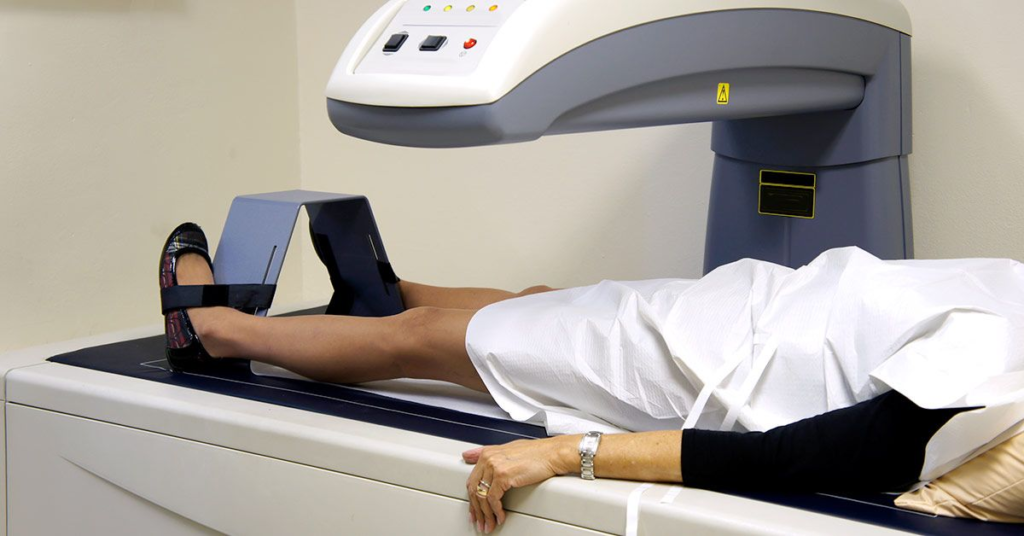
People concerned about bone health can discuss appropriate assessment with a healthcare professional. A bone mineral density test, commonly performed using dual-energy X-ray absorptiometry, may be recommended when clinically appropriate.
Factors That Influence Estrogen Receptor Activity
Estrogen receptor activity is influenced by more than estrogen concentration alone. Genetic differences can affect receptor expression and signaling. Age and tissue-specific factors can also change how cells respond to hormones.
Other hormones and signaling molecules can interact with estrogen pathways. Nutrition, physical activity, medications, and certain health conditions may also affect bone remodeling.
This complexity means that estrogen levels alone cannot fully predict an individual’s bone density or fracture risk. Bone health should be considered as a combination of hormonal, genetic, nutritional, mechanical, and environmental factors.
Ways to Support Healthy Bone Density
Several lifestyle habits can contribute to maintaining healthy bones. Regular weight-bearing and resistance exercise can provide mechanical stimulation that supports skeletal strength.
A balanced diet is also important. Calcium and vitamin D are particularly relevant to bone health, while adequate protein supports the body’s tissues.
Avoiding tobacco use and limiting excessive alcohol consumption can also support skeletal health. Maintaining appropriate physical activity throughout adulthood may be beneficial for preserving strength and balance.
People taking medications that may affect bone health should discuss their individual risks with a healthcare professional rather than stopping medication without medical advice.
The Importance of Calcium and Vitamin D
Calcium is a major mineral component of bone. The body needs sufficient calcium to maintain normal skeletal structure and other physiological functions.
Vitamin D helps the body absorb calcium and plays an important role in maintaining normal bone metabolism. Vitamin D can come from sunlight exposure, food, and supplements when appropriate.
Nutritional requirements vary by age and individual circumstances. Excessive supplementation is not necessarily beneficial, so people should discuss supplementation with a healthcare professional when needed.
Exercise and Bone Strength
Physical activity provides mechanical signals that influence bone tissue. Weight-bearing activities such as walking, stair climbing, and certain forms of sports can place useful loads on bones.
Resistance training can also help strengthen muscles and provide additional skeletal stimulation. Improving muscle strength and balance may have broader benefits for reducing the risk of falls.
Exercise programs should be appropriate for a person’s age, fitness level, and health status. Anyone with known osteoporosis or a history of fractures should seek professional guidance about suitable activities.
When to Discuss Bone Health With a Doctor
Bone health deserves attention when there are risk factors for low bone density or fractures. These can include older age, menopause, certain medications, a previous fracture, family history, low body weight, smoking, and some medical conditions.
A healthcare professional can review risk factors and determine whether bone density testing or other evaluation is appropriate.
Understanding the relationship between bone density and estrogen receptor activity provides useful insight into how hormones influence the skeleton. Estrogen receptor signaling is an important part of bone biology, but maintaining strong bones involves many interconnected factors. A combination of appropriate nutrition, physical activity, healthy lifestyle habits, and professional medical guidance can help support skeletal health throughout life.