


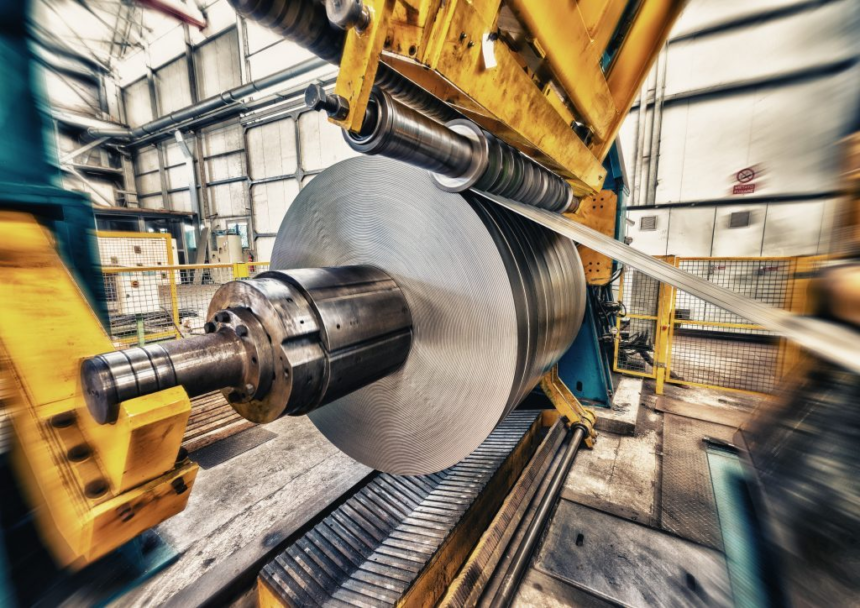
Non-metallic stamping manufacturing is an important production method used to create parts from materials other than traditional metals. These materials can include plastics, rubber, composites, films, laminates, and other engineered materials. The process uses specialized dies and stamping equipment to cut, shape, emboss, or form materials into precise components.
As industries look for lighter, cost-effective, and flexible materials, non-metallic stamping manufacturing has become increasingly useful. It supports many industries, including electronics, automotive, medical equipment, packaging, electrical products, and consumer goods. Modern technology also allows manufacturers to achieve high accuracy while reducing material waste and production time.
What Is Non-Metallic Stamping Manufacturing?
Non-metallic stamping manufacturing is a production process that uses pressure and specially designed tooling to transform non-metal materials into specific shapes. Unlike conventional metal stamping, the process focuses on materials that may have different levels of flexibility, thickness, strength, and heat resistance.
Manufacturers can use presses, dies, cutting tools, and forming equipment to produce large quantities of identical parts. The exact process depends on the material and the final product requirements.
This manufacturing method is especially useful when a product needs insulation, flexibility, low weight, corrosion resistance, or a smooth surface.
Materials Used in Non-Metallic Stamping
A wide range of materials can be processed through non-metallic stamping manufacturing. Plastics are among the most common choices because they are lightweight and available in many grades.
Other materials include rubber sheets, silicone, foam, paper, cardboard, fiberglass composites, adhesive films, laminates, and specialized polymer materials. Each material requires suitable tooling and pressure settings.
More EV News

Material selection depends on factors such as strength, flexibility, temperature resistance, electrical performance, thickness, and intended application. Choosing the right material helps manufacturers produce reliable and consistent components.
How the Stamping Process Works
The process starts with material preparation. Sheets, rolls, or other material forms are positioned for processing. A custom die or cutting tool is then placed into the stamping machine.
The machine applies controlled pressure to cut or shape the material. Depending on the product, the process may include punching, cutting, embossing, forming, perforating, or scoring.
After stamping, parts may go through additional operations. These can include trimming, cleaning, inspection, printing, laminating, or assembly.
Automation can also be added to improve production speed. Automated feeding and inspection systems help maintain consistent results across large production runs.
Common Types of Non-Metallic Stamping
Several techniques are used in non-metallic stamping manufacturing. Flatbed die cutting is commonly used to cut sheet materials into specific shapes. Rotary die cutting is useful for continuous materials and high-volume production.
Punching creates holes or openings in a material. Embossing creates raised or recessed patterns. Kiss cutting is often used for adhesive materials because it cuts through the top layer without cutting the backing.
Some applications also require precision forming. This method changes the shape of a material without completely cutting it. The best technique depends on the material and product design.
Benefits of Non-Metallic Stamping Manufacturing
One major benefit is production efficiency. Once the tooling is prepared, manufacturers can create many identical parts quickly. This makes the process suitable for medium and high-volume production.
The process can also provide excellent dimensional consistency. Properly designed tooling helps each component maintain the required size and shape.
Another advantage is material flexibility. Manufacturers can work with materials that offer properties not normally available from metal. These may include electrical insulation, flexibility, low weight, chemical resistance, and vibration absorption.
Non-metallic stamping manufacturing can also reduce production costs when large quantities are required. Efficient tooling and automated equipment can reduce labor requirements and material waste.
Applications Across Different Industries
Non-metallic stamped parts are used in many industries. In electronics, they can serve as insulating layers, protective components, gaskets, and separators.
The automotive industry uses non-metallic stamped components for seals, insulation, protective pads, filters, and interior parts. Medical equipment manufacturers may use specialized films, foams, and polymers for disposable and precision components.
Packaging companies can use stamped paper, cardboard, foam, and plastic materials to create custom shapes. Electrical products may require insulating sheets and protective barriers.
Consumer products also benefit from this manufacturing process because manufacturers can create lightweight and customized components at scale.
Importance of Precision Tooling
Tooling plays a major role in the quality of stamped components. A properly designed die ensures accurate cutting and consistent dimensions.
Engineers consider material thickness, hardness, flexibility, shape, and production volume when designing tooling. They may also evaluate how the material behaves under pressure.
Poor tooling can result in rough edges, incorrect dimensions, deformation, or excess waste. For this reason, manufacturers invest in precision tools and regular maintenance.
Modern computer-aided design systems make it easier to develop and test tooling before production begins.
Quality Control in Manufacturing
Quality control is essential for reliable non-metallic stamped parts. Manufacturers inspect dimensions, edges, surface quality, and overall shape.
Advanced production facilities may use automated optical inspection systems. These systems can detect defects faster than manual inspection alone.
Material testing may also be performed to confirm strength, flexibility, thickness, and other properties. Consistent quality control helps reduce defective parts and supports reliable product performance.
Manufacturers should also maintain clear production standards and inspect tooling regularly.
Reducing Material Waste
Efficient material use is another important goal in non-metallic stamping manufacturing. Poorly arranged cutting patterns can leave large amounts of unused material.
Modern nesting software can help manufacturers arrange shapes more efficiently. This approach allows more parts to fit into the available sheet or roll.
Reducing waste can lower material costs and support more sustainable production. Recyclable scrap can sometimes be collected and processed according to the material type.
Careful planning is therefore useful for both financial and environmental reasons.
Automation and Modern Technology
Technology continues to improve non-metallic stamping manufacturing. Automated machines can control pressure, speed, feeding, and cutting with high accuracy.
Digital design tools allow engineers to create detailed part models before manufacturing begins. Sensors can monitor production conditions and identify potential problems.
Robotic systems may also move materials and finished parts between production stages. Automation is especially valuable for high-volume manufacturing because it can improve consistency and reduce repetitive manual work.
Choosing a Non-Metallic Stamping Manufacturer
When selecting a manufacturer, businesses should consider experience, equipment, material capabilities, tooling expertise, and quality systems.
A reliable manufacturer should understand the specific material being used and provide suitable production recommendations. It is also useful to review their ability to handle prototypes, small batches, and large production runs.
Communication is another important factor. Clear technical discussions can help prevent design problems before production starts.
Manufacturers should also provide consistent quality and dependable delivery schedules.
Future of Non-Metallic Stamping Manufacturing
The future of non-metallic stamping manufacturing is closely connected to advances in materials, automation, and digital production. New polymers and composite materials are creating additional opportunities for lightweight and high-performance components.
Automation will likely continue improving production speed and consistency. Digital inspection systems may also become more common as manufacturers seek better quality control.
Sustainability is another growing focus. Companies are looking for ways to reduce waste, improve material efficiency, and use more environmentally responsible materials.
These developments can make non-metallic stamping manufacturing an increasingly valuable option for modern industries.
Conclusion
Non-metallic stamping manufacturing provides an efficient way to produce accurate components from plastics, rubber, films, composites, and other specialized materials. It offers benefits such as speed, consistency, design flexibility, and cost efficiency.
With proper material selection, precision tooling, quality control, and modern automation, manufacturers can produce reliable parts for many industries. As technology and materials continue to develop, this manufacturing method is likely to become even more important in advanced production.