


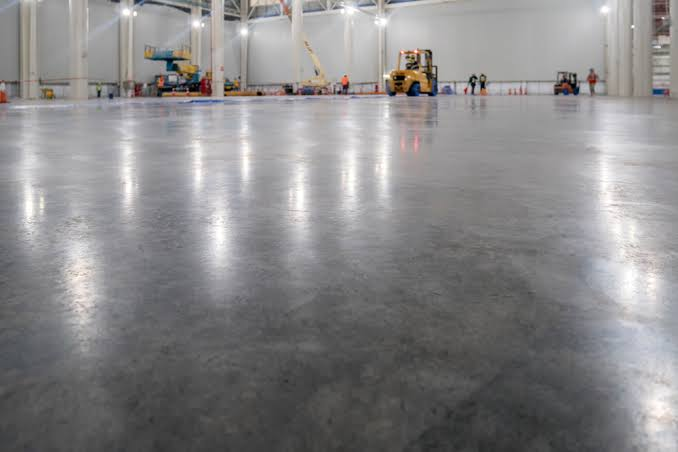
Concrete surfaces are strong, durable, and widely used in homes, commercial buildings, warehouses, factories, garages, and outdoor spaces. However, even strong concrete can suffer from stains, cracks, moisture, chemicals, abrasion, and heavy traffic. A quality coating can help protect the surface while improving its appearance and performance. Choosing the right concrete coating supplier is therefore an important decision for any construction, renovation, or industrial project.
A reliable supplier does more than sell coating products. The right company can provide suitable materials, technical guidance, product information, and support throughout the project. Whether you need epoxy, polyurethane, acrylic, or another protective coating, working with an experienced supplier can help you achieve better and longer-lasting results.
What Is a Concrete Coating?
Concrete coating is a protective or decorative material applied over a concrete surface. It creates a layer that can help protect the concrete from moisture, chemicals, stains, impact, abrasion, and regular wear.
Different coating systems are designed for different environments. For example, epoxy coatings are commonly used in garages, workshops, warehouses, and industrial floors. Polyurethane coatings can provide excellent resistance to abrasion and weathering. Acrylic coatings are often selected for decorative and exterior applications.
Before selecting a product, it is important to understand the conditions where the coating will be installed. Traffic levels, moisture, temperature, chemicals, and expected service life can all affect the best choice.
Why Choosing the Right Supplier Matters
The performance of a coating system depends on more than the coating itself. Surface preparation, primers, mixing, application methods, and curing conditions can all affect the final result.
A reputable concrete coating supplier can help customers choose products that match their project requirements. Experienced suppliers can also explain application procedures and recommend compatible primers, sealers, repair materials, and topcoats.

Buying from a dependable source may also provide better access to product documentation and technical assistance. This can reduce installation problems and help contractors deliver consistent results.
Types of Concrete Coatings
There are several types of coatings available for concrete surfaces. Each has different properties and applications.
Epoxy coatings are popular because they provide a hard, durable surface with good resistance to chemicals and heavy traffic. They are frequently used in garages, factories, warehouses, and commercial facilities.
Polyurethane coatings offer flexibility and strong resistance to abrasion and ultraviolet exposure. They can work well where surfaces experience demanding conditions.
Acrylic coatings are generally easy to apply and can provide attractive finishes. They are often used for decorative applications and areas where quick drying is important.
Polyaspartic coatings can cure quickly and provide strong durability. They are increasingly used for garages, commercial floors, and other applications where downtime must be limited.
The best option depends on the environment and performance requirements.
Key Factors When Selecting a Concrete Coating Supplier
There are several factors to consider before choosing a supplier. Product quality should be one of the first priorities. Ask about the coating’s durability, chemical resistance, application requirements, and expected performance.
Product range is another important consideration. A supplier offering primers, repair compounds, base coats, topcoats, and decorative materials can make purchasing easier.
Technical support is also valuable. A knowledgeable supplier should be able to answer questions about surface preparation, application temperatures, mixing ratios, curing times, and maintenance.
Availability matters as well. Delays in receiving materials can slow down construction projects. Choose a supplier with dependable inventory and reasonable delivery times.
Importance of Product Quality
High-quality coating materials can make a significant difference in the life of a concrete floor. Poor-quality products may peel, crack, discolor, or wear prematurely.
A reliable supplier should provide clear information about product specifications and recommended applications. Contractors should review technical data sheets and application instructions before beginning work.
Quality also means choosing the right system rather than simply purchasing the most expensive product. A premium coating may not perform properly if it is unsuitable for the environment.
Surface Preparation and Coating Performance
Even the best coating can fail if the concrete is not prepared correctly. Surface preparation removes contaminants and creates a suitable profile for coating adhesion.
Common preparation methods include grinding, shot blasting, cleaning, and repairing damaged areas. Oil, grease, dust, loose concrete, and other contaminants should be addressed before application.
A good supplier can help explain preparation requirements for its products. Contractors should also check moisture levels because excessive moisture can cause adhesion problems with some coating systems.
Proper preparation is one of the most important steps in achieving a durable finish.
Applications of Concrete Coatings
Concrete coatings are used in many different environments. Residential garages use coatings to create attractive and easy-to-clean floors. Warehouses and factories use protective coatings to withstand forklifts, machinery, chemicals, and heavy foot traffic.
Retail stores, restaurants, offices, schools, and healthcare facilities can also benefit from coated concrete surfaces. Coatings may provide improved cleanliness and easier maintenance.
Outdoor concrete areas, including patios, walkways, and recreational spaces, may also use suitable coating systems. However, exterior applications require products designed to withstand weather and ultraviolet exposure.
Benefits of Working With an Experienced Supplier
An experienced concrete coating supplier can provide more than products. Their knowledge can help contractors avoid common mistakes and select suitable systems.
Good suppliers may offer technical documentation, color options, application recommendations, and product compatibility information. Some also provide training or guidance for professional installers.
Another benefit is consistency. Purchasing compatible materials from one reliable source can simplify project planning and reduce the risk of mixing unsuitable products from different manufacturers.
Questions to Ask Before Buying
Before placing an order, ask the supplier several important questions. Find out whether the product is suitable for your specific surface and environment.
Ask about coverage rates, recommended thickness, curing time, temperature limits, and surface preparation. It is also useful to ask whether a primer or protective topcoat is required.
For large projects, ask about product availability and delivery schedules. Contractors should also confirm storage requirements and shelf life.
These questions can help prevent unexpected problems during installation.
How to Compare Concrete Coating Suppliers
Do not choose a supplier based only on price. Compare product quality, technical support, experience, availability, delivery, and customer service.
Look for suppliers that clearly explain their products and provide useful technical information. Reviews and references can also help you understand how a company works with customers.
A low-cost product may become expensive if it requires frequent repairs or replacement. A dependable supplier should focus on long-term value rather than simply offering the lowest initial price.
Maintenance After Coating Installation
Proper maintenance can extend the life of a coated concrete surface. Regular cleaning helps remove dirt, chemicals, oil, and other contaminants before they cause problems.
Use cleaning methods recommended by the coating manufacturer. Avoid harsh chemicals or abrasive equipment unless the coating system is designed to handle them.
Heavy-use areas should also be inspected periodically. Small damage can often be addressed before it becomes a larger repair issue.
Final Thoughts
Choosing the right concrete coating supplier is an important part of achieving a durable, attractive, and reliable concrete surface. The best supplier should offer quality products, technical knowledge, dependable availability, and useful customer support.
Before making a purchase, consider your project’s environment, traffic levels, chemical exposure, moisture conditions, appearance requirements, and maintenance needs. Then compare suppliers based on both product quality and overall service.
With the right coating system and proper installation, concrete surfaces can become more resistant to everyday wear while maintaining a professional appearance for years. A trusted supplier can help make that process easier by providing the materials and guidance needed for a successful project.