


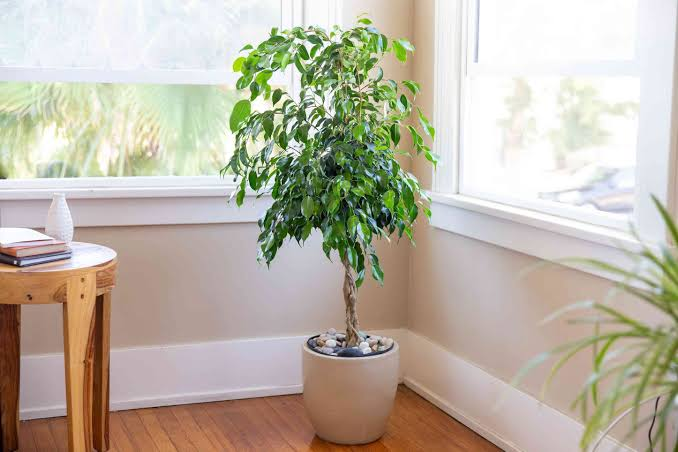
A variegated ficus tree is a beautiful indoor and outdoor plant known for its green and cream-colored leaves. Its bright leaves can make a room, garden, office, or patio look fresh and lively. This plant is popular with both new and experienced plant lovers because it can grow well when given the right care.
Variegated ficus varieties are part of the large Ficus plant family. Their leaves often have different shades of green, white, yellow, or cream. The special leaf patterns make them stand out from regular green ficus plants. With good light, proper watering, and a suitable pot, a variegated ficus can stay healthy for many years.
What Is a Variegated Ficus Tree?
A variegated ficus tree is a ficus plant with leaves that have more than one color. Instead of being completely green, the leaves show attractive cream, white, yellow, or light-green patterns. The amount of variegation can be different from one plant to another.
Many people grow these plants indoors because they can add a natural touch to living rooms, bedrooms, offices, and other spaces. Some varieties can also be grown outdoors in warm climates. Their attractive leaves are often the main reason people choose them for home decoration.
The tree can have a neat and elegant shape when it is pruned regularly. Depending on the variety, it may grow as a small houseplant or become a larger tree when planted outdoors. Choosing the right variety for your space is important.
Popular Variegated Ficus Varieties
There are several ficus varieties that can have attractive variegated foliage. Ficus benjamina, also called the weeping fig, is one well-known type. Some forms have green and cream leaves and can become beautiful indoor trees.
Another popular choice is Ficus elastica, commonly known as the rubber plant. Variegated rubber plant varieties have large leaves with cream, yellow, pink, or green patterns. They can create a bold look in modern homes and offices.

Ficus microcarpa can also be grown in attractive forms, especially as bonsai. Different varieties have different leaf shapes, sizes, and growth habits. Before buying a plant, check its mature size and light needs so you can choose one that fits your home.
How Much Light Does It Need?
Good lighting is one of the most important parts of caring for a variegated ficus tree. Variegated leaves contain less green tissue than fully green leaves, so the plant usually needs bright light to maintain healthy growth and attractive patterns.
Place the plant near a bright window where it can receive plenty of indirect sunlight. A location with gentle morning sunlight can work well. Strong afternoon sunlight through glass may be too intense and can sometimes burn the leaves.
If the plant does not receive enough light, growth may become slow. The leaves may also lose some of their attractive variegation. Rotate the pot every week or two so all sides of the plant receive balanced light.
Watering a Variegated Ficus Tree
Correct watering is another key part of plant care. A variegated ficus should not sit in constantly wet soil. Too much water can cause root problems, while very dry soil for long periods can make the leaves droop or fall.
Before watering, check the top layer of soil with your finger. If the top portion feels dry, it may be time to water. Add water slowly until some water comes out of the drainage holes, then allow the extra water to drain away.
The watering schedule can change with the season, temperature, pot size, and amount of light. Plants usually need more water during active growth and less during cooler or darker periods.
Best Soil and Pot for Growing
A well-draining potting mix is ideal for a variegated ficus tree. The soil should hold some moisture but should also allow extra water to escape. A general indoor potting mix combined with material that improves drainage can work well.
Choose a pot with drainage holes at the bottom. These holes help prevent water from collecting around the roots. A decorative pot without drainage may look attractive, but it can increase the risk of overwatering.
When the roots become crowded, move the plant into a slightly larger container. Avoid choosing a very large pot because excess soil can hold too much moisture around the roots.
Temperature and Humidity Needs
Variegated ficus plants generally prefer warm and stable conditions. They can struggle when exposed to sudden temperature changes, cold drafts, or very cold air. Keep indoor plants away from cold windows, strong air conditioners, and heating vents.
Average comfortable indoor temperatures are usually suitable for these plants. They also appreciate moderate humidity. In very dry rooms, the edges of leaves may become brown or dry.
You can improve humidity by using a humidifier or placing the plant near other houseplants. However, good airflow is also important. Avoid keeping the plant in a dark, closed, and poorly ventilated corner.
Feeding and Fertilizing
A healthy variegated ficus benefits from regular feeding during its active growing season. A balanced houseplant fertilizer can provide nutrients needed for new leaves and healthy growth.
Always follow the instructions on the fertilizer package. Using too much fertilizer can damage the roots and may cause leaf problems. It is usually better to use the recommended amount rather than adding extra fertilizer.
During periods of slow growth, the plant may need less feeding. Good light, suitable soil, and correct watering should come first before increasing fertilizer.
Pruning and Shaping
Pruning can help a variegated ficus tree maintain a beautiful shape. Remove dead, damaged, or weak branches when needed. You can also trim long shoots to encourage a fuller appearance.
Use clean and sharp pruning tools when cutting the plant. Avoid removing too much growth at one time. Small, regular cuts are usually easier for the plant to handle.
If you want a tree with a particular shape, begin training it while it is young. Regular pruning can help keep an indoor ficus at a manageable size.
Common Problems and Their Solutions
Leaf dropping is one of the most common problems with ficus plants. It can happen after a change in location, sudden temperature changes, poor lighting, or watering problems. Try to keep the plant in a stable environment.
Yellow leaves can sometimes be linked to overwatering, while dry brown edges may appear when the soil becomes too dry or the air is very dry. Check the soil and growing conditions before changing your care routine.
Pests such as scale insects, mealybugs, and spider mites may sometimes affect ficus plants. Check the leaves and stems regularly. Early detection makes pest management much easier.
Benefits of Growing a Variegated Ficus Tree
A variegated ficus tree can add beauty and natural color to many spaces. Its patterned leaves can become an attractive focal point in a room. The plant can also bring a fresh, green feeling to offices and indoor areas.
Another benefit is that many ficus plants can live for a long time when properly cared for. This makes them a good choice for people who want a long-term houseplant rather than a seasonal decoration.
Their attractive appearance also makes them useful for interior design. A well-shaped ficus can look excellent beside furniture, near a bright window, or in a suitable outdoor space in a warm climate.
Tips for Buying a Healthy Plant
When buying a variegated ficus tree, inspect the leaves carefully. Look for strong stems, healthy foliage, and signs of new growth. Avoid plants with large numbers of damaged or falling leaves unless you understand the reason for the condition.
Check the soil as well. Extremely wet soil may indicate a watering problem. Look under the leaves and around the stems for visible pests.
It is also useful to ask about the plant’s variety, mature size, light requirements, and care instructions. A healthy plant that matches your growing conditions has a much better chance of adapting successfully.
Conclusion
A variegated ficus tree can be a wonderful choice for anyone who wants a plant with unique and colorful foliage. Its cream-and-green leaves provide a beautiful natural display, while its tree-like shape can add style to indoor and outdoor spaces.
The most important care steps are simple: provide bright suitable light, use well-draining soil, water carefully, maintain comfortable temperatures, and prune when necessary. With consistent care and a little patience, a variegated ficus can grow into a healthy and attractive plant that brings beauty to your space for years.