


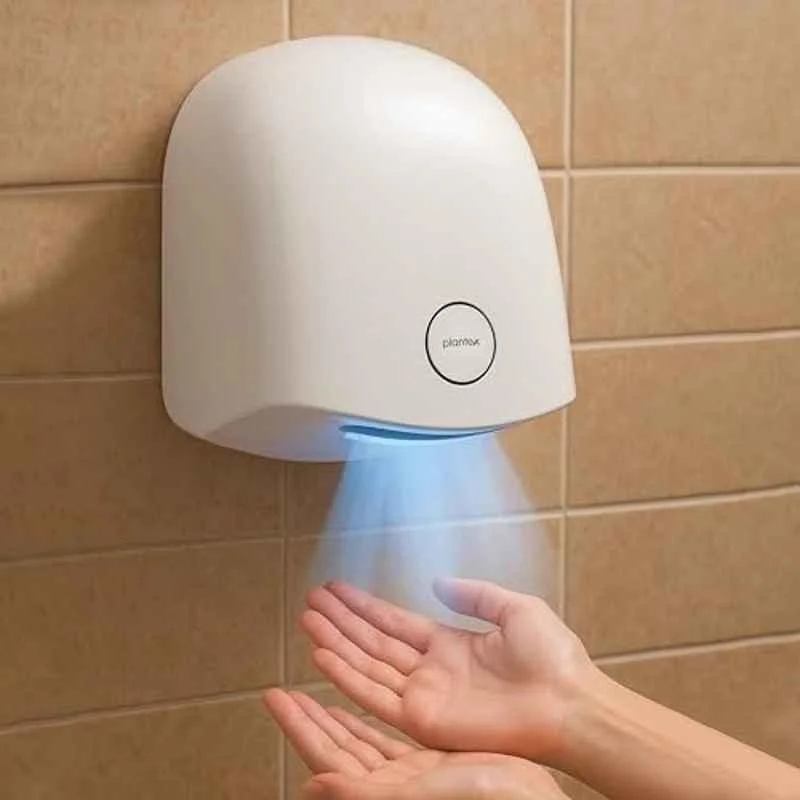
Keeping hands clean and dry is an important part of good hygiene. In busy public places, businesses, offices, hotels, schools, hospitals, and shopping centers, people need a simple way to dry their hands after washing. An automatic hand dryer offers a practical solution. It uses sensors to detect hands and starts blowing warm or room-temperature air without the need to touch the machine.
Modern hand dryers are designed to make washrooms cleaner, easier to manage, and more convenient. They can also reduce the need for paper towels, which may help lower waste and ongoing supply costs. With many models available today, businesses can choose a dryer that matches their space, usage level, and budget.
What Is an Automatic Hand Dryer?
An automatic hand dryer is an electric device used to dry wet hands after washing. Unlike traditional hand dryers that require a user to press a button, automatic models normally use an infrared or motion sensor. When a person places their hands under the dryer, the sensor detects them and activates the airflow.
This touch-free operation is one of the main reasons these dryers are popular. Users do not have to touch a shared surface after washing their hands. Once the hands are removed, many models automatically stop after a short period. This helps reduce unnecessary energy use and makes the dryer easy to operate.
Automatic hand dryers come in different shapes, sizes, speeds, and designs. Some are designed for small bathrooms, while high-speed models are made for busy commercial washrooms.
How Does an Automatic Hand Dryer Work?
The working process of an automatic hand dryer is simple. The machine contains a sensor that detects movement or the presence of hands. When hands are placed in the correct position, the sensor sends a signal to the motor.
The motor then pushes air through the dryer outlet. Depending on the model, the air may be heated or delivered at room temperature. High-speed dryers use strong airflow to remove water quickly from the hands. When the user moves their hands away, the sensor detects the change and turns the machine off.

This automatic system makes the dryer convenient for people of different ages. It also reduces the need to touch buttons, which can be useful in places where many people use the same washroom.
Main Benefits of an Automatic Hand Dryer
One major benefit is convenience. Users simply place their hands under the dryer and wait while the machine does the work. There is no need to search for paper towels or touch a button.
Another advantage is reduced paper waste. Traditional paper towels can create a large amount of waste in busy washrooms. A hand dryer does not require a new paper towel for every person, making it an attractive option for organizations that want to reduce disposable materials.
Automatic hand dryers can also help reduce regular supply management. Businesses do not need to constantly purchase, store, and refill large quantities of paper towels. Although the initial cost of an electric dryer can be higher, it may provide long-term value when used frequently.
Where Are Automatic Hand Dryers Used?
Automatic hand dryers are suitable for many different locations. They are commonly found in offices, restaurants, hotels, airports, schools, universities, shopping centers, gyms, and public buildings.
In busy commercial washrooms, a fast dryer can help people finish their hand-drying routine quickly. In hotels and offices, a modern dryer can also improve the overall appearance of the washroom.
Hospitals and healthcare facilities may have specific hygiene requirements, so the selected equipment should be suitable for the facility’s cleaning and infection-control standards. Businesses should always choose equipment based on their specific environment and applicable regulations.
Choosing the Right Automatic Hand Dryer
There are several factors to consider when selecting an automatic hand dryer. The first is drying speed. A busy public washroom may need a high-speed model, while a small private office may not require the same level of performance.
Noise is another important factor. Some powerful dryers can produce noticeable sound, so quieter models may be better for hotels, offices, libraries, and other environments where noise matters.
Energy efficiency should also be considered. Look for a model designed to use electricity efficiently without reducing performance. The sensor should respond quickly and turn the machine off when hands are removed.
Durability is important as well. A commercial washroom may receive hundreds or even thousands of users, so the dryer should be made from strong materials and designed for frequent use.
Installation and Maintenance
Proper installation helps an automatic hand dryer work safely and effectively. The unit should be installed at a suitable height and location so users can easily place their hands under the airflow. Electrical installation should follow local safety requirements and, where appropriate, be completed by a qualified professional.
Regular cleaning is also important. The outside surface should be cleaned according to the manufacturer’s instructions. Sensors and air outlets should be kept free from dirt and buildup because blocked or dirty components can affect performance.
Businesses should also inspect the dryer regularly for unusual sounds, weak airflow, loose parts, or other problems. Following the manufacturer’s maintenance instructions can help extend the useful life of the equipment.
Automatic Hand Dryer vs. Paper Towels
Both hand dryers and paper towels have advantages. Paper towels can provide very fast drying and do not require an electrical connection at the point of use. However, they create ongoing waste and require regular restocking.
An automatic hand dryer can reduce the need for disposable paper products. It can also provide a modern, touch-free experience. However, it requires electricity and may have an upfront purchase and installation cost.
The best option depends on the location, number of users, hygiene requirements, maintenance plans, and operating costs. Some facilities may even choose to provide both options to meet different user preferences.
Why Touch-Free Operation Matters
Touch-free operation is an important feature of modern washroom equipment. After washing their hands, users may prefer not to touch a shared button or surface. A sensor-based dryer allows them to begin drying without physical contact.
This can make the washroom experience more convenient and may help reduce contact with frequently touched surfaces. However, a touch-free dryer should still be cleaned regularly. Touch-free operation does not remove the need for proper hygiene and maintenance.
Modern Designs for Better Washrooms
Today, automatic hand dryers are available in many modern designs. Some models have compact bodies that fit neatly into smaller washrooms. Others use sleek stainless-steel finishes that can complement commercial interiors.
High-speed models are often designed to dry hands in a short period. Some products also include features such as adjustable settings, efficient motors, filtration systems, or indicator lights. The right features depend on the needs of the building.
A well-designed dryer can provide both practical value and a professional appearance. For businesses, small improvements in washroom equipment can contribute to a cleaner and more comfortable environment for visitors and employees.
Conclusion
An automatic hand dryer is a convenient solution for drying hands in modern washrooms. Its sensor-based operation makes it easy to use, while the reduction in paper towel consumption can help businesses manage waste and supplies. Different models offer different speeds, sizes, noise levels, energy requirements, and designs.
Before purchasing one, consider the number of users, available space, installation requirements, maintenance needs, and local safety standards. With the right model and proper care, an automatic hand dryer can be a useful, durable, and convenient addition to many commercial and public washrooms.