


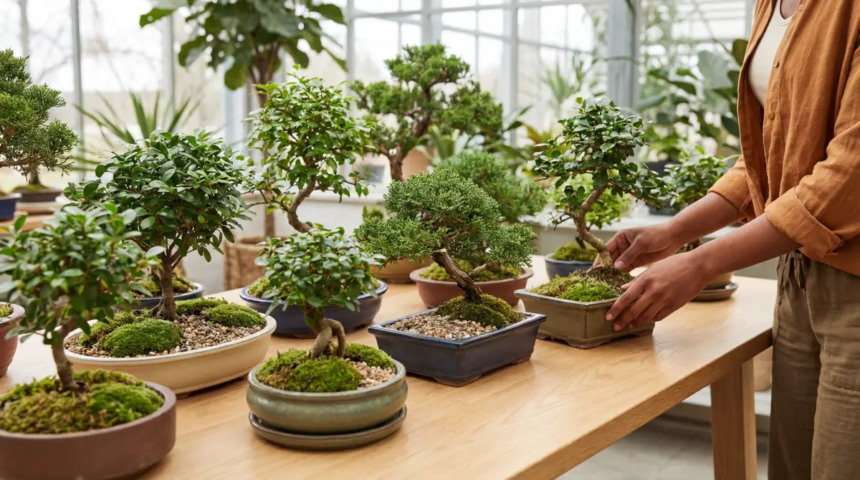
Bonsai trees are more than small plants. They are living works of art that bring nature, beauty, and peace into indoor and outdoor spaces. For garden centers, plant shops, landscapers, online stores, and collectors, buying bonsai trees in bulk can be a smart business choice. This is where bonsai wholesale services become useful.
Wholesale bonsai suppliers provide different species, sizes, styles, and age ranges at prices designed for bulk purchases. Buyers can choose plants based on their customers, climate, available space, and business goals. However, choosing the right supplier is important. Quality, packaging, plant health, pricing, and delivery can all affect the value of a wholesale order.
This guide explains everything buyers should know before purchasing bonsai trees wholesale. It also covers popular varieties, important buying factors, care requirements, and tips for building a successful bonsai business.
Table of Contents
- What Is Bonsai Wholesale?
- Why Buy Bonsai Trees Wholesale?
- Popular Bonsai Varieties for Wholesale
- Choosing the Right Wholesale Supplier
- Understanding Bonsai Tree Sizes
- Quality Standards for Wholesale Bonsai
- Wholesale Bonsai for Garden Centers
- Buying Bonsai for Online Stores
- Packaging and Shipping Considerations
- Caring for Wholesale Bonsai Trees
- How to Price Wholesale Bonsai
- Tips for First-Time Wholesale Buyers
- Conclusion
- Frequently Asked Questions
What Is Bonsai Wholesale?
Bonsai wholesale refers to purchasing bonsai trees in larger quantities directly from a nursery, grower, or specialized supplier. Instead of buying individual trees at retail prices, businesses can purchase multiple plants at a lower unit cost.
Wholesale suppliers may offer young starter plants, mature bonsai, pre-trained trees, and specialty varieties. Some suppliers also provide pots, soil, tools, and other bonsai accessories. This makes wholesale purchasing convenient for retailers and professional growers.
The minimum order quantity depends on the supplier. Some nurseries accept small wholesale orders, while others focus on large commercial shipments.
Why Buy Bonsai Trees Wholesale?
There are several advantages to buying bonsai trees in bulk. The biggest benefit is usually cost savings. A lower purchase price gives retailers more flexibility when setting their selling prices.
Wholesale buying can also provide consistent stock. A garden center can maintain several popular bonsai varieties instead of relying on occasional retail purchases.
Another benefit is variety. A good supplier may offer different shapes, ages, pot styles, and tree species. Businesses can create attractive collections for different types of customers.
Wholesale purchasing can also save time. Working with one reliable supplier makes ordering, delivery, and inventory management easier.
Popular Bonsai Varieties for Wholesale
Different bonsai species appeal to different buyers. Some varieties are popular because they are attractive and relatively easy to maintain.
Ficus bonsai is a common choice because it adapts well to indoor environments. It has attractive leaves and a strong trunk.
Juniper bonsai is another popular option. Its evergreen foliage and classic bonsai appearance make it suitable for experienced enthusiasts.
Chinese elm bonsai is valued for its small leaves and attractive branching structure. It can work well for both beginners and experienced growers.
Other wholesale options may include maple, pine, jade, boxwood, and flowering bonsai varieties. Choosing a mix of species can help retailers serve a wider customer base.
Choosing the Right Wholesale Supplier
The supplier you choose can have a major effect on your business. Start by checking the supplier’s experience and reputation. Look for clear information about tree varieties, sizes, prices, and shipping policies.
Plant quality should be a top priority. Healthy bonsai should have strong foliage, stable roots, and no obvious signs of pests or disease.
Ask about growing conditions before ordering. Trees grown in conditions similar to your market may adapt more easily after delivery.
It is also useful to ask about minimum order quantities, replacement policies, delivery schedules, and packaging methods. Clear communication can prevent problems later.
Understanding Bonsai Tree Sizes
Bonsai trees come in many sizes. Wholesale suppliers may classify them by height, trunk thickness, pot size, age, or overall maturity.
Small bonsai trees are often easier to ship and display. They may also be more affordable for beginners.
Medium-sized bonsai can offer a balance between price and visual impact. These trees are often suitable for retail stores and home decoration.
Large and mature bonsai trees usually require more investment. They may have developed trunks, detailed branches, and established shapes. Their higher value can make them attractive premium products.
Before ordering, confirm exactly how the supplier measures tree size. This helps you compare products accurately.
Quality Standards for Wholesale Bonsai
Quality is extremely important when purchasing bonsai wholesale. A low-cost tree is not necessarily a good investment if it arrives damaged or unhealthy.
Check the foliage for unusual discoloration, excessive leaf loss, or visible pests. Examine the trunk and branches for damage. The soil should also be suitable for the tree’s growing requirements.
Root health is another important factor. A healthy root system supports long-term growth and helps the tree recover from transportation.
If possible, request current photographs or videos before placing a large order. This can give you a better understanding of the actual quality you will receive.
Wholesale Bonsai for Garden Centers
Garden centers can benefit greatly from offering bonsai trees. They provide an attractive product category that can appeal to plant lovers, collectors, and gift buyers.
A garden center can display bonsai by size, species, or price range. Clear care instructions can also help customers feel more confident about their purchases.
Offering beginner-friendly varieties is especially useful. Customers who are new to bonsai may prefer hardy plants with simple care requirements.
Garden centers can also increase sales by offering bonsai pots, pruning tools, soil, wire, and fertilizer alongside trees.
Buying Bonsai for Online Stores
Online stores can use bonsai wholesale suppliers to maintain a regular inventory without growing every tree themselves. However, shipping living plants requires careful planning.
Product descriptions should clearly explain the approximate tree size, pot size, species, and care requirements. Customers should know that each living plant can have natural differences in shape and appearance.
High-quality photographs are also important. Bonsai trees are visual products, so attractive images can improve customer interest.
Before choosing a supplier, test the shipping process with a small order. This can help you determine whether plants arrive safely and in good condition.
Packaging and Shipping Considerations
Bonsai trees need careful packaging during transportation. Poor packaging can cause broken branches, damaged leaves, loose soil, or cracked pots.
Reliable suppliers usually secure the pot and protect the foliage. Moisture levels should also be considered because plants can suffer when they remain too dry or too wet during shipping.
Delivery time matters as well. Shorter transportation periods can reduce stress on living plants.
Buyers should ask suppliers about their packaging materials, shipping carriers, delivery times, and procedures for damaged shipments.
Caring for Wholesale Bonsai Trees
Once wholesale bonsai trees arrive, they need proper care. Do not immediately make major changes to their growing conditions.
Place the trees in a suitable location based on their species. Some bonsai need strong sunlight, while others prefer filtered light.
Watering should depend on the soil condition, tree species, season, and environment. Avoid following a fixed watering schedule without checking the soil.
Regular inspection is also important. Look for pests, dry leaves, fungal problems, or other signs of stress.
Good care can protect your investment and help keep plants attractive for customers.
How to Price Wholesale Bonsai
Pricing should include more than the wholesale purchase cost. Businesses should consider shipping, pots, packaging, storage, labor, marketing, and possible plant losses.
Research similar bonsai products in your local market. Compare prices based on species, size, age, and presentation.
Premium trees can often support higher prices because they require more time and skill to grow. Smaller beginner trees may work better as affordable entry-level products.
A balanced inventory can include budget, mid-range, and premium bonsai options.
Tips for First-Time Wholesale Buyers
Start with a manageable order rather than purchasing a very large quantity immediately. This allows you to test plant quality, packaging, delivery, and customer demand.
Choose varieties that match your target market. Learn which species are suitable for your local climate and customer experience levels.
Build a relationship with your supplier. Reliable communication can make future orders easier.
Finally, keep records of every order. Track species, quantities, purchase prices, losses, and sales. This information can help you make better wholesale decisions over time.
Conclusion
Bonsai wholesale offers an efficient way for nurseries, retailers, garden centers, landscapers, and online businesses to purchase quality bonsai trees in bulk. The right supplier can provide attractive varieties, competitive pricing, reliable packaging, and consistent inventory.
Before placing an order, always consider plant health, species, size, supplier reputation, shipping methods, and total costs. Starting with a smaller order can help you evaluate quality before making a larger investment.
With careful planning and proper plant care, wholesale bonsai can become a valuable addition to a plant business. Whether you are serving beginners or experienced collectors, a well-selected bonsai collection can attract customers and create long-term business opportunities.
Frequently Asked Questions
What is the minimum order for bonsai wholesale?
Minimum order quantities vary between suppliers. Some accept smaller commercial orders, while larger nurseries may require higher quantities.
Which bonsai trees are best for wholesale?
Popular choices include ficus, juniper, Chinese elm, jade, maple, and several other hardy varieties. The best option depends on your customers and climate.
Can bonsai trees be shipped in bulk?
Yes. Bonsai can be shipped in bulk when they are properly secured and packaged. Buyers should choose suppliers with experience shipping live plants.
How should wholesale bonsai be stored after delivery?
Place the trees in suitable growing conditions based on their species. Provide appropriate light, water, airflow, and protection from extreme temperatures.
Is buying bonsai wholesale cheaper?
Wholesale purchasing usually offers a lower price per tree than retail buying. However, buyers should also calculate shipping, storage, care, and other business costs.
How can I find a reliable wholesale bonsai supplier?
Compare supplier experience, plant quality, pricing, reviews, shipping practices, minimum orders, and replacement policies before choosing a supplier.