


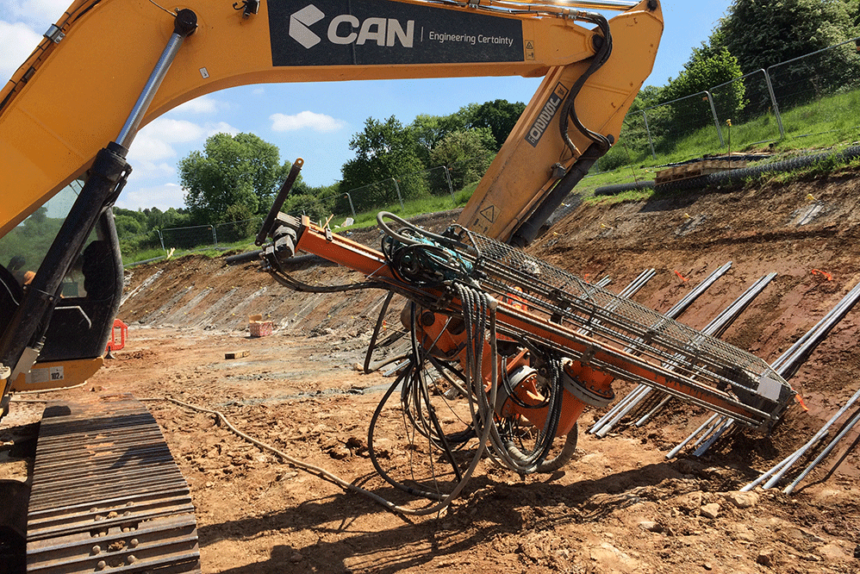
Ground stability is a critical factor in the success of any construction project. Whether you are building highways, commercial buildings, retaining walls, bridges, or residential developments, unstable soil can create serious safety risks and increase construction costs. This is why hiring a professional soil nailing contractor is essential. Soil nailing is a reliable and cost-effective technique used to strengthen existing soil by installing steel reinforcement bars into the ground. It improves slope stability, prevents landslides, and provides long-term structural support.
A skilled soil nailing contractor combines engineering expertise, advanced equipment, and industry experience to deliver safe and durable ground stabilization solutions. This article explains everything you need to know about soil nailing, including its benefits, installation process, applications, and how to choose the right contractor for your project.
What Is a Soil Nailing Contractor?
A soil nailing contractor is a specialized construction professional who reinforces unstable soil using steel bars, cement grout, and protective wall facings. Their primary goal is to improve the strength and stability of slopes, excavations, and retaining structures without replacing the existing soil.
These contractors work closely with geotechnical engineers to evaluate site conditions and design an effective reinforcement system. Every project begins with soil testing to determine the ground’s strength, moisture content, and load-bearing capacity. Based on these findings, contractors select the proper nail length, spacing, and installation method.
Professional contractors also manage drilling, grouting, shotcrete application, testing, and final inspections. Their expertise ensures every project meets engineering standards and local safety regulations.
What Is Soil Nailing?
Soil nailing is a ground improvement technique used to stabilize natural slopes and excavated areas. Instead of constructing massive retaining walls, engineers reinforce the existing soil by installing steel bars into drilled holes.
Each steel bar, commonly called a soil nail, is secured with cement grout. Once the grout hardens, it bonds the steel to the surrounding soil, creating a reinforced mass that resists movement and improves overall stability.
The surface is then covered with shotcrete, reinforced concrete panels, or wire mesh to protect against erosion and weather damage.
This method has become one of the most popular solutions for ground stabilization because it is economical, efficient, and environmentally friendly.
How the Soil Nailing Process Works
The installation process follows several carefully planned stages.
Site Investigation
Engineers conduct geotechnical surveys to evaluate soil conditions, groundwater levels, and structural requirements.
Excavation
The soil is excavated in small sections to maintain stability during construction.
Drilling
Specialized drilling rigs create holes at specific angles and depths according to the project design.
Nail Installation
High-strength steel reinforcement bars are inserted into the drilled holes.
Grouting
Cement grout is pumped into the holes, permanently securing each steel nail.
Surface Protection
Shotcrete or reinforced concrete facing is applied to strengthen the exposed surface and protect it from erosion.
Quality Testing
Each installed nail undergoes pull-out testing to verify that it meets engineering specifications.
This step-by-step approach ensures the reinforced slope remains stable throughout construction and for many years afterward.
Benefits of Hiring a Professional Soil Nailing Contractor
Choosing an experienced soil nailing contractor provides numerous advantages.
One of the biggest benefits is improved ground stability. Reinforced soil becomes much stronger and less likely to shift or collapse.
Another advantage is reduced construction costs. Soil nailing generally requires less excavation and fewer materials than traditional retaining wall systems.
Additional benefits include:
- Faster construction schedules
- Lower labor costs
- Minimal disruption to nearby buildings
- Excellent long-term durability
- Reduced environmental impact
- Flexible design options
- Lower maintenance requirements
- Increased construction safety
Professional contractors also use advanced equipment that improves installation accuracy and project efficiency.
Common Applications of Soil Nailing
Soil nailing is used across many types of construction projects.
Some of the most common applications include:
- Highway slope stabilization
- Railway embankments
- Bridge foundations
- Retaining wall construction
- Deep basement excavations
- Tunnel entrances
- Landslide stabilization
- Commercial developments
- Residential hillside construction
- Mining operations
Because soil nailing adapts to different soil conditions, it remains one of the most versatile ground stabilization methods available.
Every soil nailing contractor develops a customized design based on the project’s specific engineering requirements.
Equipment Used by Soil Nailing Contractors
Modern soil nailing projects require specialized equipment to ensure precision and safety.
Common machinery includes:
- Hydraulic drilling rigs
- Rotary drilling machines
- Air compressors
- Cement grout mixers
- High-pressure grout pumps
- Excavators
- Shotcrete spraying equipment
- Survey instruments
- Load testing systems
The use of advanced machinery allows contractors to complete projects more quickly while maintaining high-quality installation standards.
Regular equipment inspections also improve worker safety and reduce unexpected downtime.
Factors That Affect Soil Nailing Costs
Several variables influence the cost of hiring a soil nailing contractor.
Important cost factors include:
- Project size
- Excavation depth
- Soil conditions
- Rock formations
- Groundwater levels
- Steel nail length
- Nail spacing
- Material costs
- Labor expenses
- Site accessibility
- Equipment requirements
Although costs vary from project to project, soil nailing often delivers significant long-term savings due to its durability and reduced maintenance needs.
Obtaining quotes from multiple qualified contractors helps ensure competitive pricing and quality service.
Why Experience Matters in Soil Nailing Projects
Ground stabilization requires specialized engineering knowledge and practical experience.
An experienced soil nailing contractor understands how different soil types respond to excavation and reinforcement. They can identify potential risks before work begins and recommend the safest construction methods.
Experienced contractors also maintain strict quality control throughout every phase of the project. Regular inspections, testing, and accurate installation help prevent structural issues later.
Good communication between contractors, engineers, architects, and project owners further improves project efficiency and reduces delays.
Hiring an experienced contractor ultimately provides better long-term performance and greater peace of mind.
How to Choose the Best Soil Nailing Contractor
Selecting the right contractor is one of the most important decisions for any stabilization project.
When evaluating contractors, consider the following:
- Industry experience
- Professional licenses and certifications
- Qualified engineering team
- Previous project portfolio
- Positive client reviews
- Modern drilling equipment
- Strong workplace safety record
- Transparent pricing
- Quality assurance procedures
- Workmanship warranties
Always ask for references and review similar projects the contractor has completed.
While cost is important, selecting a contractor based only on the lowest bid may result in lower-quality workmanship and higher maintenance expenses in the future.
Future Trends in Soil Nailing Technology
Technology continues to improve ground stabilization methods.
Digital monitoring systems now provide real-time data on soil movement and structural performance. Engineers can identify changes quickly and take corrective action before problems develop.
Building Information Modeling (BIM) allows project teams to visualize underground reinforcement systems before construction begins, improving planning and reducing errors.
Corrosion-resistant steel reinforcement, environmentally friendly grout materials, and automated drilling systems are also becoming more common.
Artificial intelligence and GPS-guided drilling technology are expected to improve installation accuracy, construction speed, and overall project efficiency.
These innovations help every modern soil nailing contractor deliver safer, stronger, and more sustainable stabilization solutions.
Frequently Asked Questions
What does a soil nailing contractor do?
A soil nailing contractor stabilizes slopes and excavations by installing steel reinforcement bars secured with cement grout.
Is soil nailing better than retaining walls?
In many situations, soil nailing is more cost-effective and requires less excavation while providing excellent long-term stability.
How long does soil nailing last?
With proper design, corrosion protection, and installation, soil nailing systems can remain effective for several decades.
Is soil nailing environmentally friendly?
Yes. It preserves existing soil, minimizes excavation, and reduces the environmental impact compared to many traditional stabilization methods.
How do I hire the best soil nailing contractor?
Look for proven experience, engineering expertise, safety certifications, quality equipment, strong client references, and transparent pricing.
Conclusion
Hiring a professional soil nailing contractor is one of the most effective ways to ensure the safety and stability of construction projects involving slopes, retaining walls, and deep excavations. Soil nailing offers a durable, cost-effective, and environmentally friendly solution that reinforces existing ground without extensive excavation. From site investigation and engineering design to drilling, grouting, testing, and final inspection, experienced contractors provide reliable stabilization systems built to last. By choosing a qualified contractor with a proven track record, you can reduce project risks, improve construction efficiency, and achieve long-term structural performance.